A corporate history, told chronologically.
SPGX's disaster-recovery capability did not begin in 2025. It is the result of more than ten years of programme leadership across complex international projects — beginning with a flood recovery in Brisbane in 2011, evolving through hospitality, high-rise and mixed-use programmes across Bangkok and the United States, and culminating in the 2025 Bangkok Earthquake Response.
Brisbane Flood Recovery
Where the founder's recovery experience began — and where the methodologies that would later become part of SPGX were first formed.
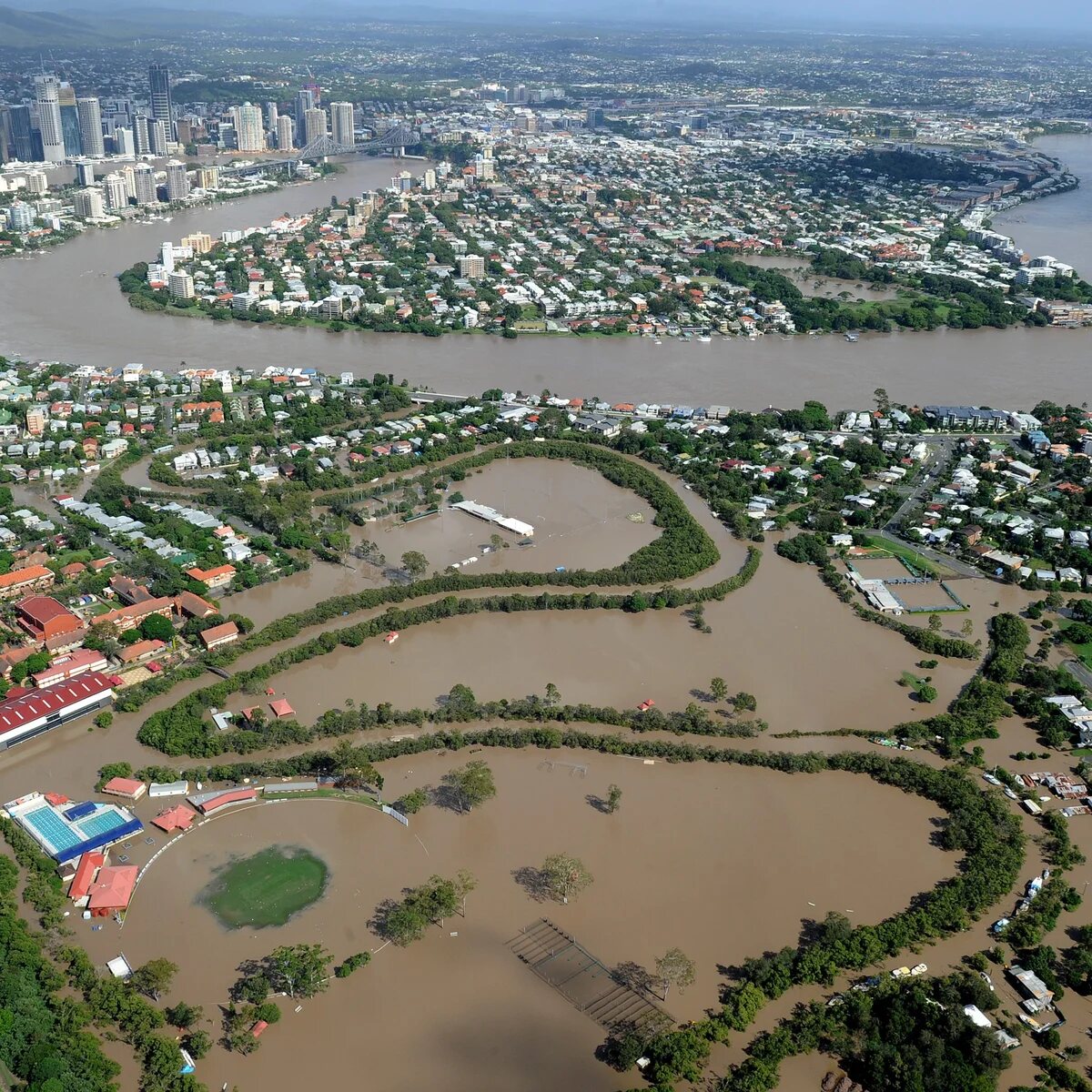
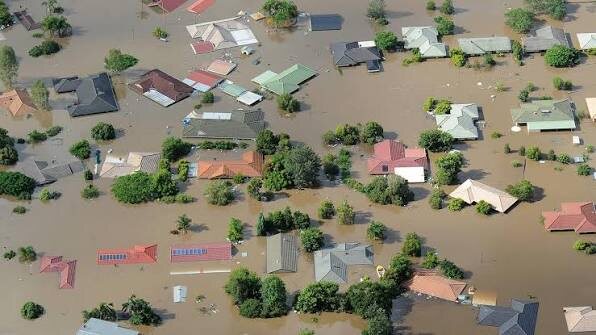
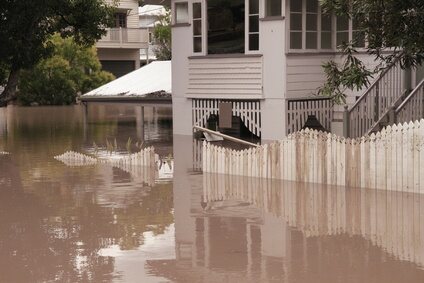
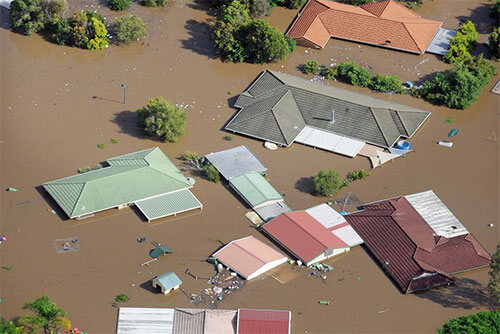
This chapter predates SPGX. It is included because it represents the founder's operational experience and forms part of the capability SPGX was built upon. In the aftermath of the 2011 Queensland floods, Joshua Boyle — now principal of SPGX — was working through BC Platinum Construction on the Queensland Flood Recovery programme, rebuilding residential communities across flood-affected suburbs of Brisbane.
The work was practical and on the ground: rebuilding homes, coordinating trades, sequencing programme delivery, managing stakeholders across owners, insurers and authorities, and operating inside the conditions an emergency recovery imposes. It was the first sustained exposure to recovery as a discipline — distinct from construction, distinct from emergency response, and requiring a different operating rhythm.
That period created the practical understanding of disaster recovery that became the foundation of the SPGX Disaster Recovery & Resilience capability — the recognition that recovery is governed work: a sequence of decisions, evidence and stakeholder coordination held together by an owner-side function. The principles formed in Brisbane carried forward and were later codified into RISE and the Recovery Programme Office.
International Programme Leadership.
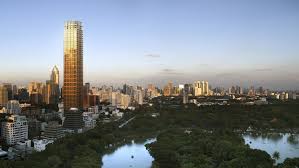
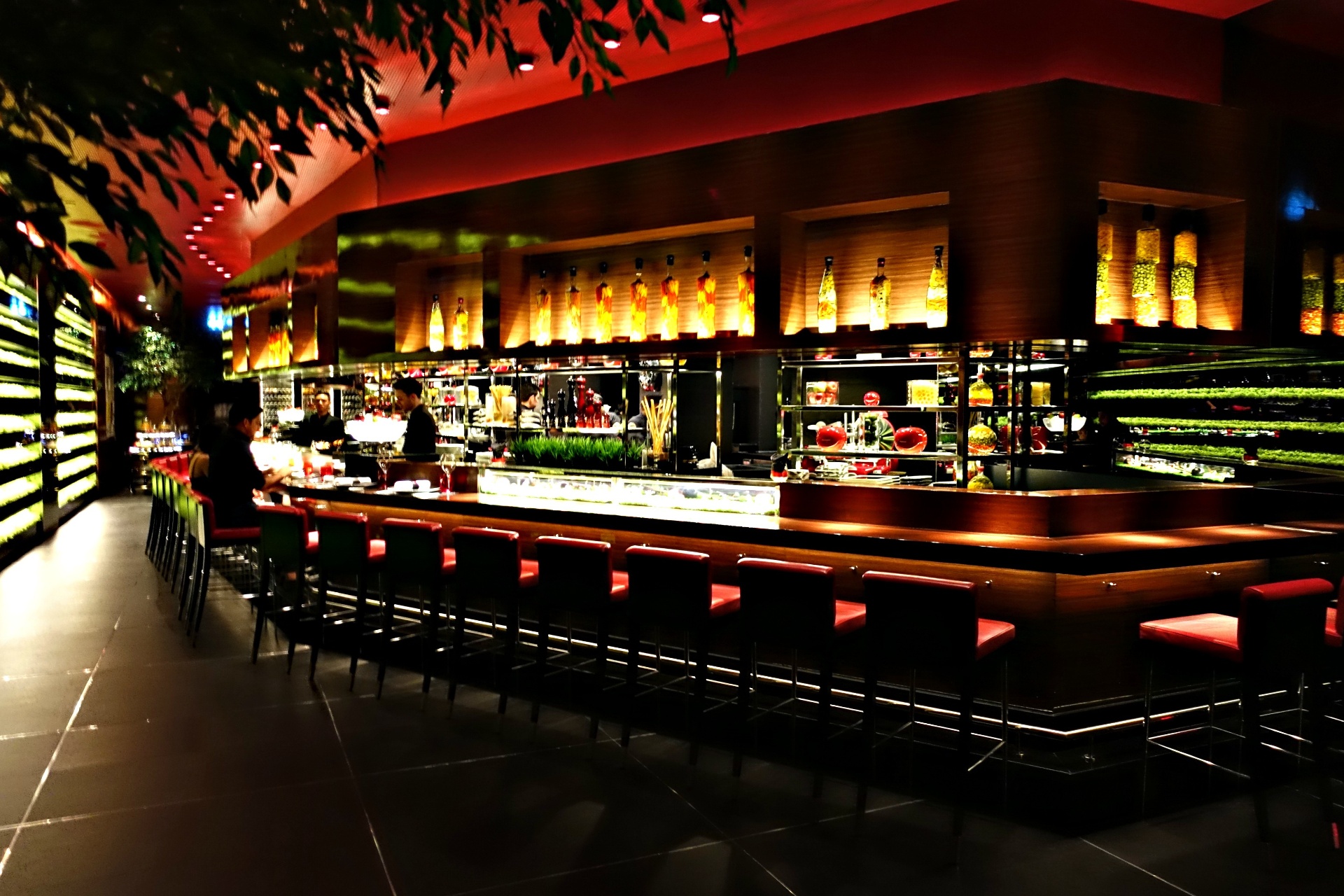
From the Brisbane foundations, the practice evolved through progressively more complex international programmes — high-rise and mixed-use development in Bangkok, hospitality renovation and heritage reopening in the United States, and a series of premium F&B environments. Each engagement deepened the same owner-side discipline: programme management, owner's representation, governance, stakeholder coordination, executive reporting and delivery leadership.







Bangkok Earthquake Response.
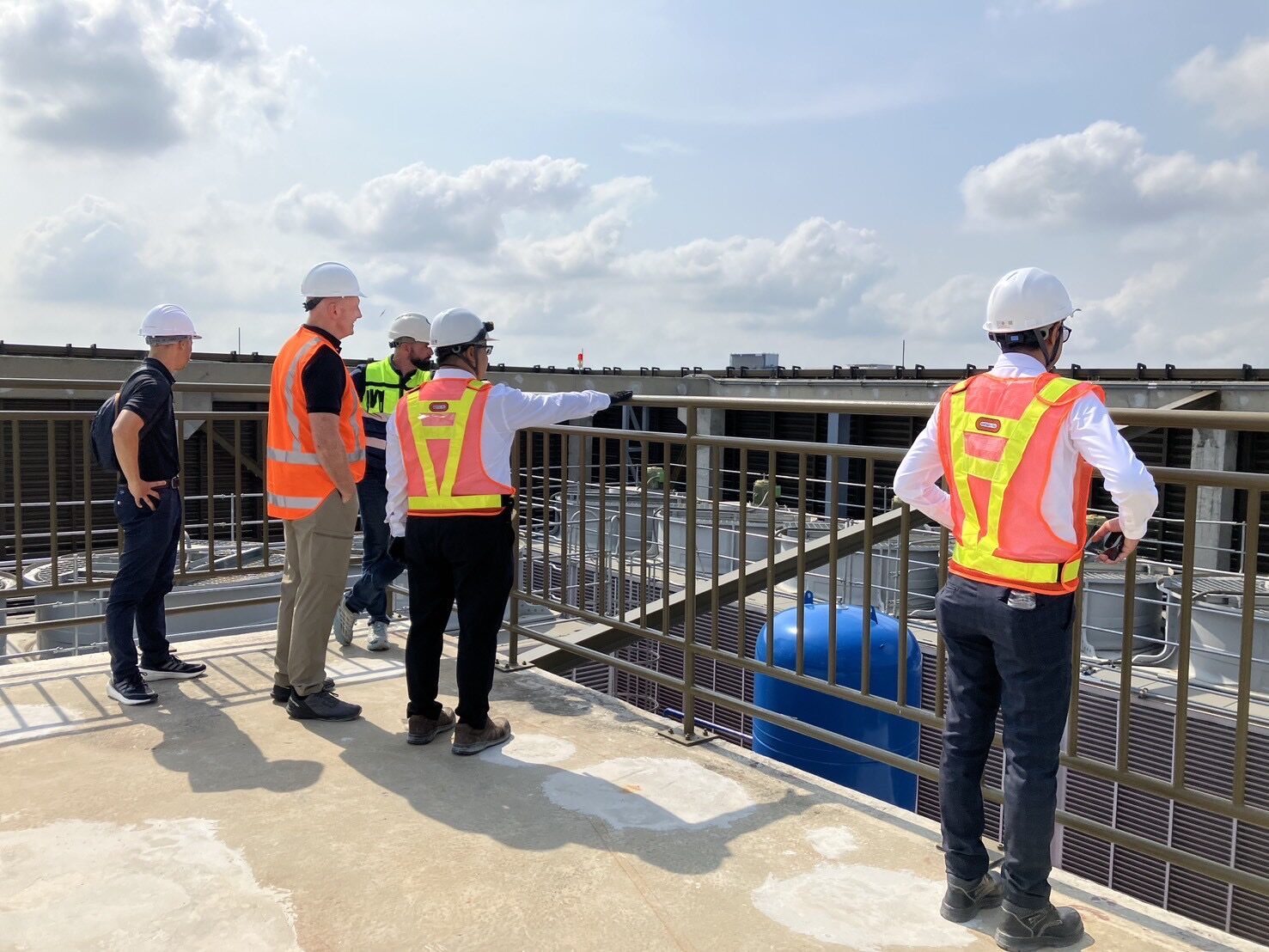
The flagship disaster-recovery case study. Experience accumulated across the previous programmes — owner-side coordination, governance under pressure, stakeholder convening, defensible reporting — is what enabled SPGX to coordinate post-earthquake recovery activities on a major Bangkok high-rise asset.
Why Bangkok was possible.
Brisbane (2011) established the principles. The international programmes that followed embedded the discipline — owner-side coordination across many stakeholders, structured reporting, governance under commercial pressure. In March 2025, that accumulated capability was applied to a live earthquake recovery on a major Bangkok high-rise asset.
Bangkok is the only case study presented as verified operational evidence. All other imagery on this page is clearly labelled as illustrative.
One operating system, shaped by every chapter that preceded it.
These experiences combine into today's SPGX operating system. Disaster recovery is not presented as an isolated service — it is the culmination of years of programme leadership across complex international developments, codified into a connected set of services, methodologies and governance.
The visitor finishes this history with a single conclusion: SPGX's disaster-recovery capability is the productised result of ten-plus years of international programme leadership — not a 2025 arrival.
Discuss a programme or a recovery.
Speak with SPGX about applying the same operating system to your environment.